ESS
The Environmental and Social Safeguards Department
ENVIRONMENTAL AND SOCIAL SAFEGUARDS DEPARTMENT The Environmental and Social Safeguards Department ensures that all interventions under the Ghana Productive Safety Net Project (GPSNP) are implemented responsibly, inclusively, and sustainably. We integrate environmental protection, social accountability, gender equity, and community ownership into every phase of sub-project planning and implementation. Our mandate is to ensure that project activities; particularly under Labour-Intensive Public Works (LIPW) and Productive Inclusion (PI) interventions - deliver economic benefits while protecting people, communities, and the environment.
Case Management
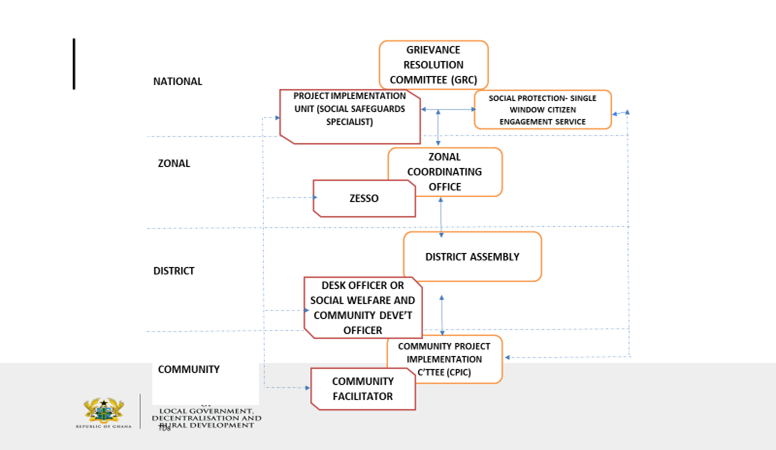
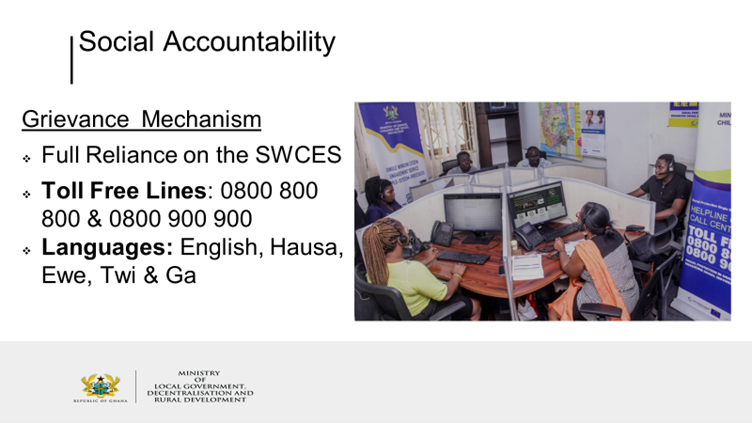
The Project relies on the Single Window Citizen Engagement Service (SWCES) and the Unified Case Management System for general case management (the receipt of cases, records, and tracking).
Our Case Management system provides structured support to beneficiary households to ensure that project participation translates into meaningful and lasting improvements in well-being..
Key Components:
- Household Profiling & Targeting: Identification of vulnerable households using transparent and evidence-based criteria.
- Individualized Support Plans: Tailored guidance linking beneficiaries to livelihood services, skills training, financial inclusion, and complementary social services.
- Referral Pathways: Coordination with health, education, child protection, and social welfare institutions.
- Grievance Redress Mechanism (GRM): Accessible complaint-handling systems at community, district, and national levels to ensure accountability and fairness.
- Monitoring & Follow-Up: Regular tracking of household progress toward resilience and self-reliance.
Our case management approach ensures that no vulnerable household is left behind.
Environmental and Social Requirements for Sub-Projects

All sub-projects under GPSNP comply with national environmental regulations, World bank’s Environmental and Social Framework (ESF) and other international standards.
Key Safeguard Requirements:
Environmental Screening & Assessment
- Screening of all sub-projects to identify potential environmental risks.
- Preparation of Environmental and Social Management Plans (ESMPs) where required.
- Protection of water bodies, biodiversity, and soil integrity.
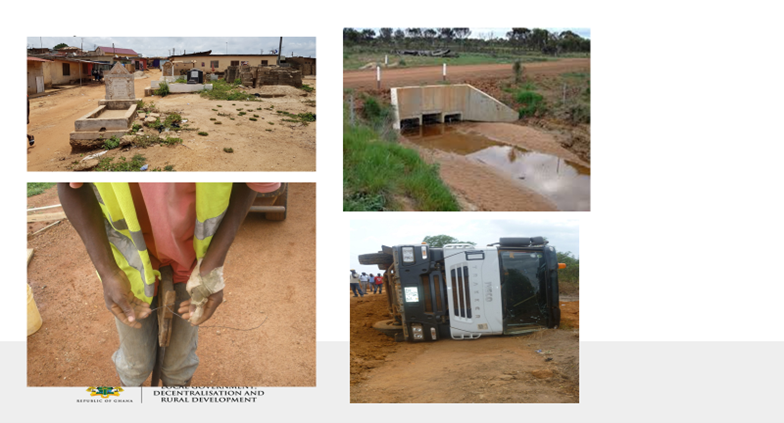
Occupational Health and Safety (OHS)
- Provision of Personal Protective Equipment (PPE) for beneficiaries.
- Safety training for workers under LIPW and PI.
- Incident reporting and emergency response procedures.
Labour Management Procedures
- Transparent recruitment processes.
- Prohibition of child labour and forced labour.
- Fair wage administration and safe working conditions.
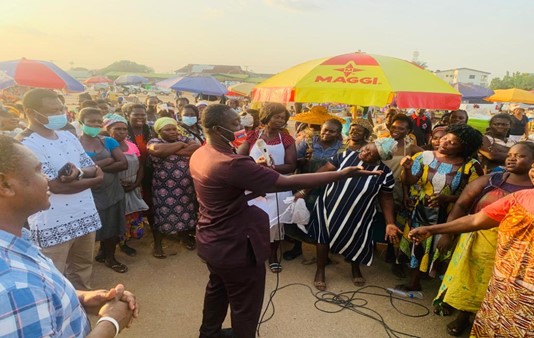
Stakeholder Engagement
- Community consultations prior to implementation.
- Public disclosure of project information.
- Inclusive decision-making processes.
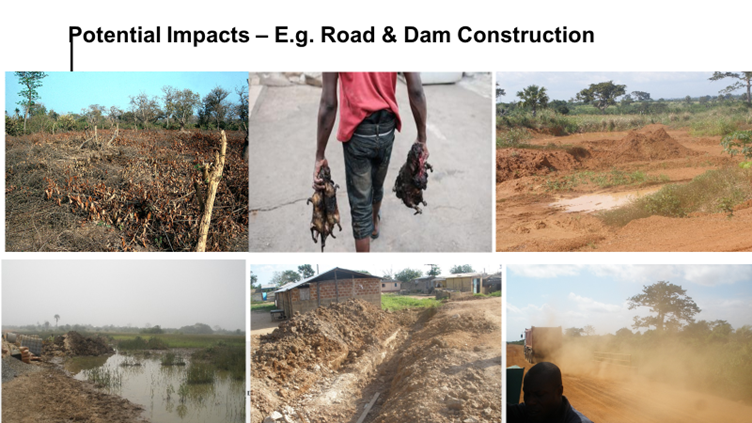
Environmental Protection Measures
- Reforestation and afforestation activities.
- Climate-smart infrastructure development.
- Proper waste management practices.
- Rehabilitation of degraded lands.
Through these measures, the Department ensures that infrastructure such as feeder roads, small earth dams, and climate-resilient plantations are environmentally sound and socially responsible.
Gender Mainstreaming
Gender equality is central to the success of the Ghana Productive Safety Net Project.
Our gender mainstreaming strategy ensures:
- Equitable Participation: Women and men have equal access to employment opportunities and livelihood support.
- Leadership Inclusion: Women are represented in community committees and decision-making structures.
- Equal Pay for Equal Work: Transparent wage systems that eliminate discrimination.
- Prevention of Gender-Based Violence (GBV): Codes of conduct, awareness campaigns, and confidential reporting channels.
- Economic Empowerment: Support for women-led enterprises and savings groups.
We recognize that empowering women strengthens households and builds more resilient communities.
Social Inclusion (Persons with Disabilities – PWDs)
The Department is committed to ensuring that Persons with Disabilities (PWDs) actively participate and benefit from project interventions.
Our inclusion strategies include:
- Accessible Work Opportunities: Adapted tasks within LIPW suitable for different abilities.
- Barrier-Free Infrastructure: Ensuring community assets are accessible where feasible.
- Targeted Support Services: Linking PWDs to assistive devices and livelihood programs.
- Community Sensitization: Promoting dignity, reducing stigma, and encouraging equal participation.
- Data Disaggregation: Tracking participation of PWDs to ensure equitable inclusion.
Inclusion is not an afterthought – it is a core principle of our operational framework.
Sustainability Plans for Sub-Projects in Communities
Sustainability is embedded in the design of all sub-projects to ensure long-term impact beyond project cycles.
Our Sustainability Approach Includes:
Community Ownership
- Establishment of Facility Management Committees (FMCs).
- Training on operation and maintenance (O&M).
- Clear governance structures for asset management.
Operations and Maintenance Plans
- Scheduled maintenance plans for feeder roads and dams.
- Community labour contributions where appropriate.
- Revenue allocation for upkeep.
Financial Sustainability
- Harvesting and sale plans for plantation produce.
- Transparent use of proceeds for community development.
- Savings and reinvestment mechanisms.
Climate Resilience
- Climate-smart design of infrastructure.
- Soil and water conservation measures.
- Promotion of sustainable agricultural practices.
Capacity Building
- Continuous training for community leaders and beneficiaries.
- Environmental stewardship education.
- Monitoring systems to track asset performance.
By strengthening local capacity and ownership, GPSNP investments continue to generate benefits for years to come.
Our Commitment
The Environmental and Social Safeguards Department remains committed to:
- Protecting the environment
- Promoting equity and dignity
- Strengthening accountability
- Ensuring inclusive development
- Building resilient communities
Through strong safeguards and inclusive systems, the Ghana Productive Safety Net Project transforms public works into pathways toward sustainable livelihoods and social protection.
Get In Touch
Institute of Local Government Studies (ILGS)P.O.BOX CT 3742
Call +233 302 770246
helpdesk@gpsnp.gov.gh
About Us
Financed By