The Productive Inclusion (PI) component of the Ghana Productive Safety Net Project 2 (GPSNP2) is designed to support poor and extremely poor households to build sustainable livelihoods and transition from vulnerability to economic self-reliance. With a total allocation of US$27 million, the PI component serves as a structured graduation pathway within Ghana’s social protection system, enabling beneficiaries to establish and manage viable income-generating activities (IGAs) . The programme primarily targets beneficiaries from Livelihood Empowerment Against Poverty (LEAP) and the Labour-Intensive Public Works (LIPW) programmes, aged 18–65 years, with at least 60% women participation .
The PI component aims to:
By equipping beneficiaries with skills, capital, and mentoring support, PI empowers households to move beyond consumption-based assistance toward productive investment and long-term income security.
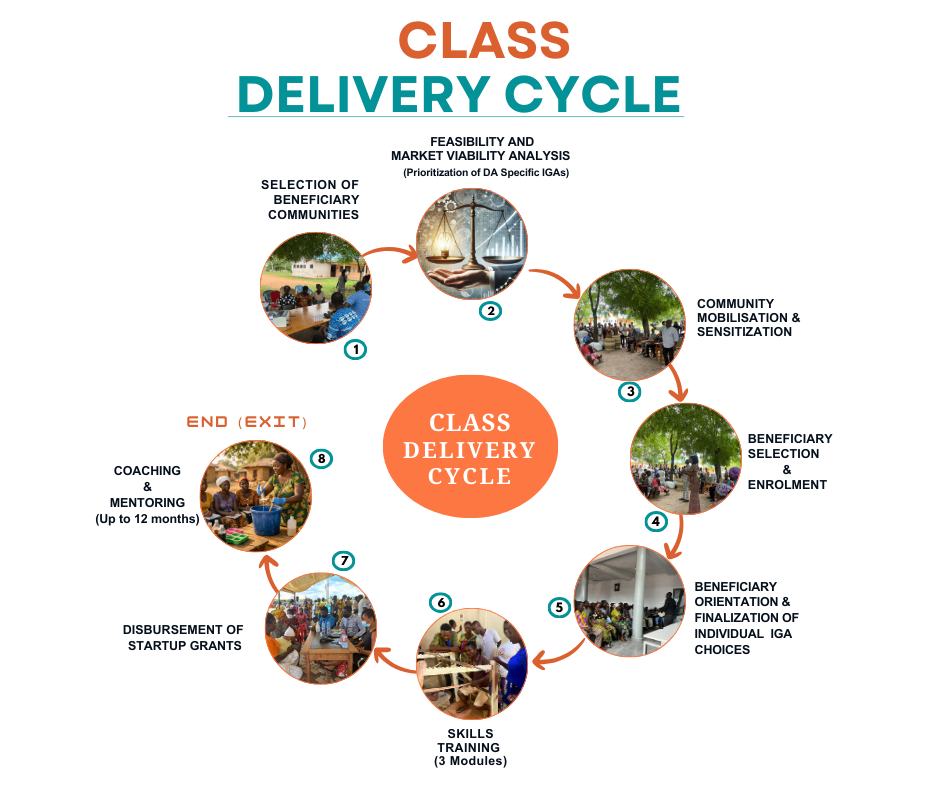
The PI component is delivered through the Complementary Livelihood and Assets Support Scheme (CLASS). This structured intervention includes:
This comprehensive package ensures that beneficiaries are not only funded but also equipped with the knowledge, skills, and support systems required to successfully manage and grow their enterprises.
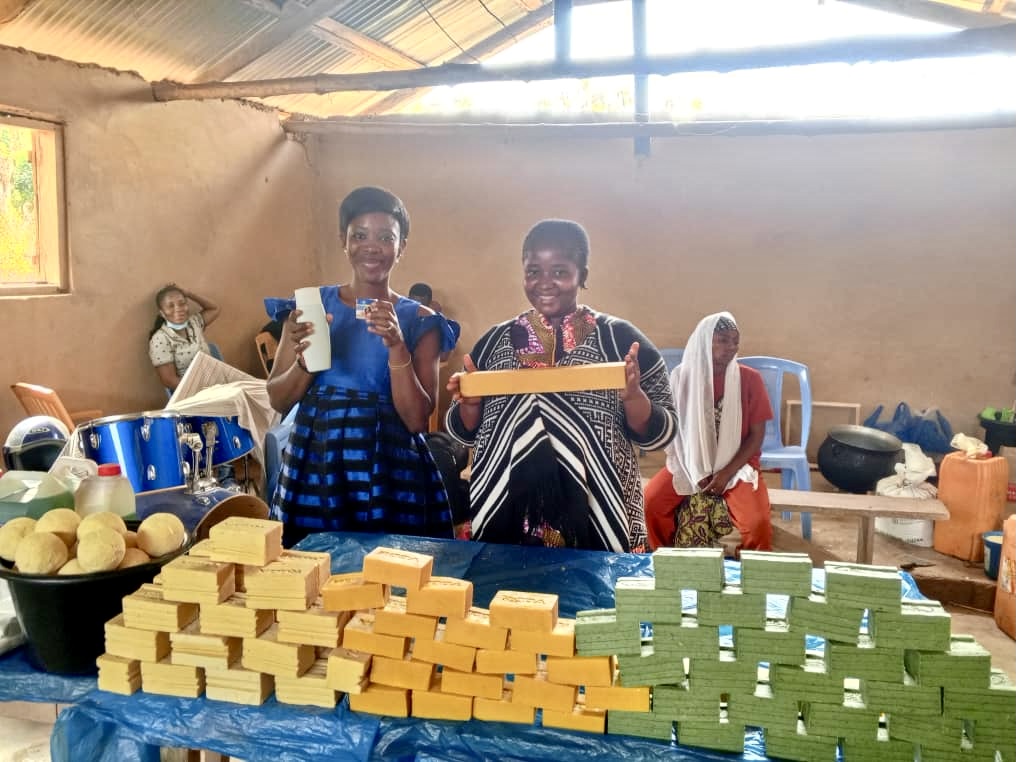
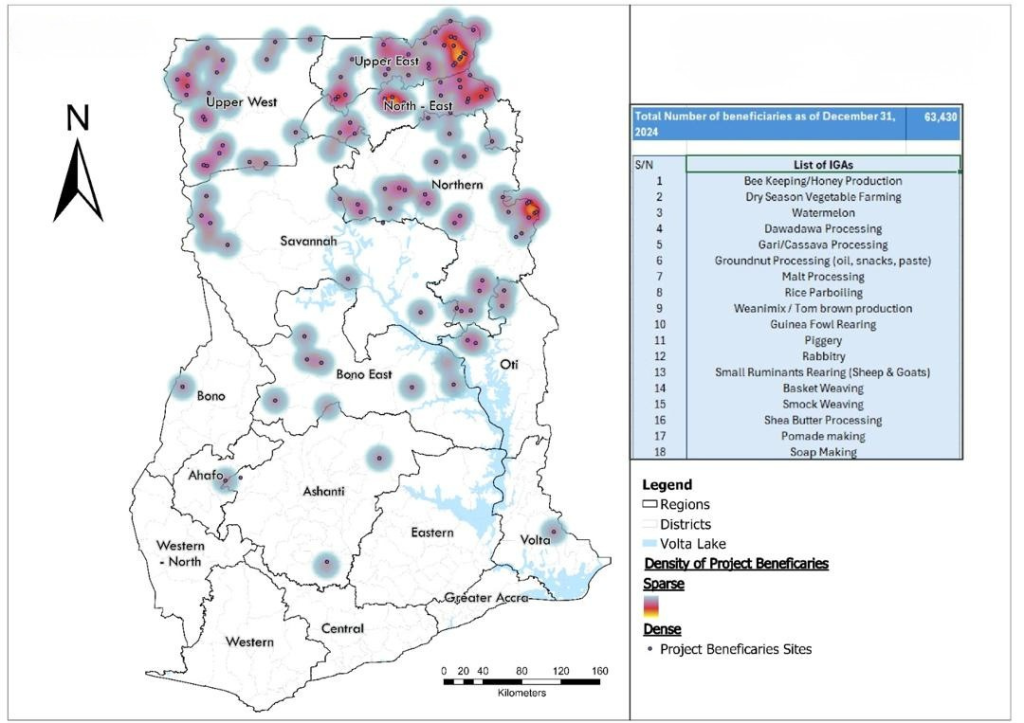
The programme supports a diverse range of IGAs tailored to local market opportunities and ecological conditions. These include:
Each district conducts feasibility and viability assessments to ensure selected IGAs are market-responsive and capable of generating sustainable returns.
The PI component is implemented within Ghana’s decentralized governance system, led by Metropolitan, Municipal and District Assemblies (MMDAs) with technical oversight from the MLGCRA Coordinating Unit.
Strong safeguards are embedded in the programme, including: